SPECIALIZED PROGRAMS

Primitive Reflex Integration

Helping children improve movement, attention, emotional regulation, and coordination by addressing retained primitive reflexes through individualized, movement-based therapy.
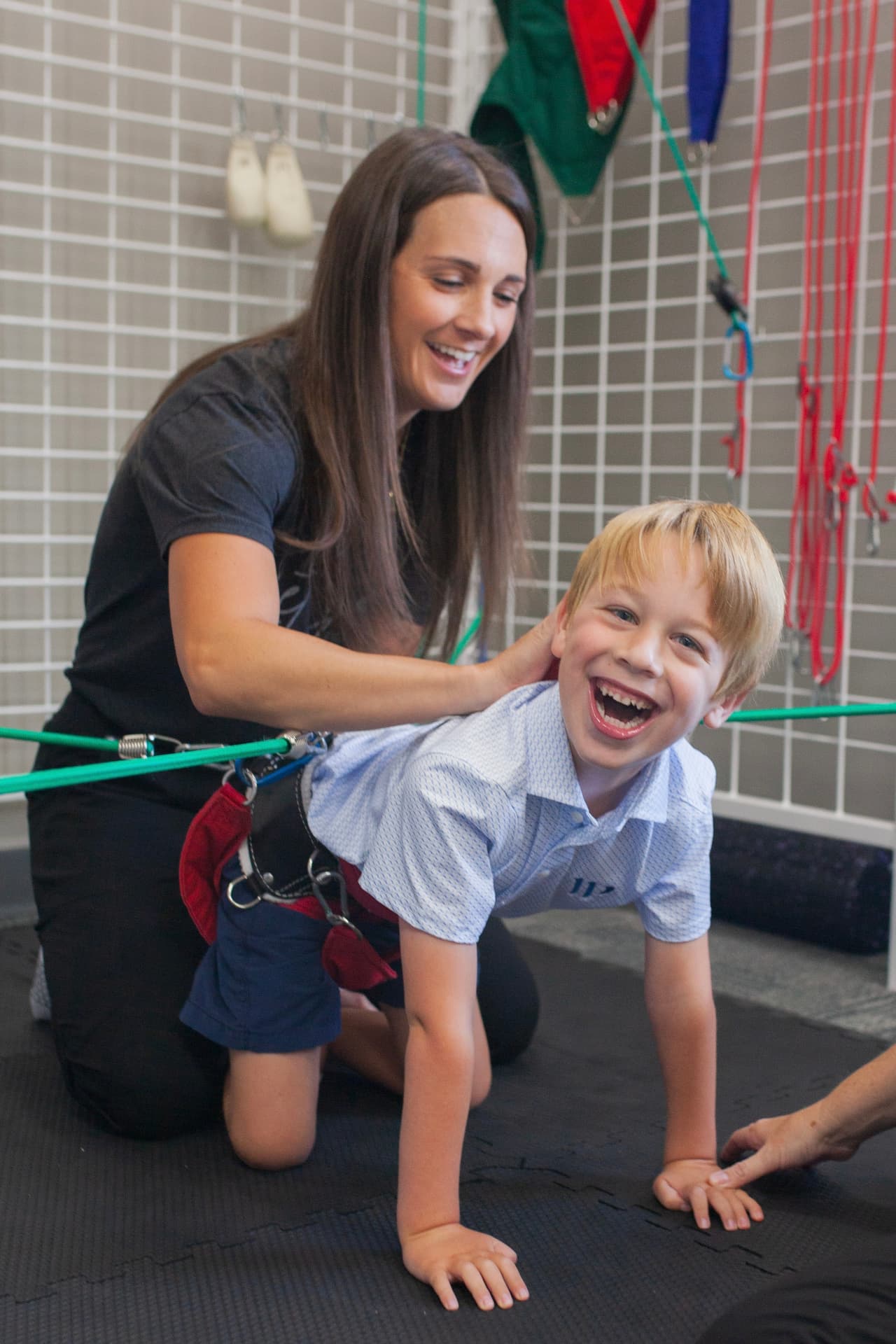
A smiling pediatric therapist supports a young boy in a therapy harness as he practices crawling on a mat in a sensory gym.
The Foundation

What Are Primitive Reflexes?

Primitive reflexes are the earliest movement patterns of infancy—automatic responses that support feeding, movement, and early development. As the nervous system matures, these reflexes naturally integrate, making way for more purposeful movement and higher-level skills.

When reflexes remain active, children may have to work harder to move, focus, regulate emotions, process sensory information, and develop new skills.

What We See

Signs Your Child May Have Retained Reflexes

Retained reflexes rarely look like one obvious symptom. More often, families notice:

  • Poor coordination
  • Clumsiness
  • Poor body awareness
  • Toe walking
  • Difficulty with emotional regulation
  • Reading and writing difficulties
  • Poor core stability
  • Hyperactivity
  • Difficulty with swimming or sports
  • Hypersensitivity to light, touch, or sound
  • Anxiety
  • Fear of heights

Every Child Is Different

Retained reflexes can affect each child differently, influencing movement, learning, regulation, and everyday activities. We begin by identifying which reflexes may be interfering with your child’s function, then develop a treatment approach based on what we find.

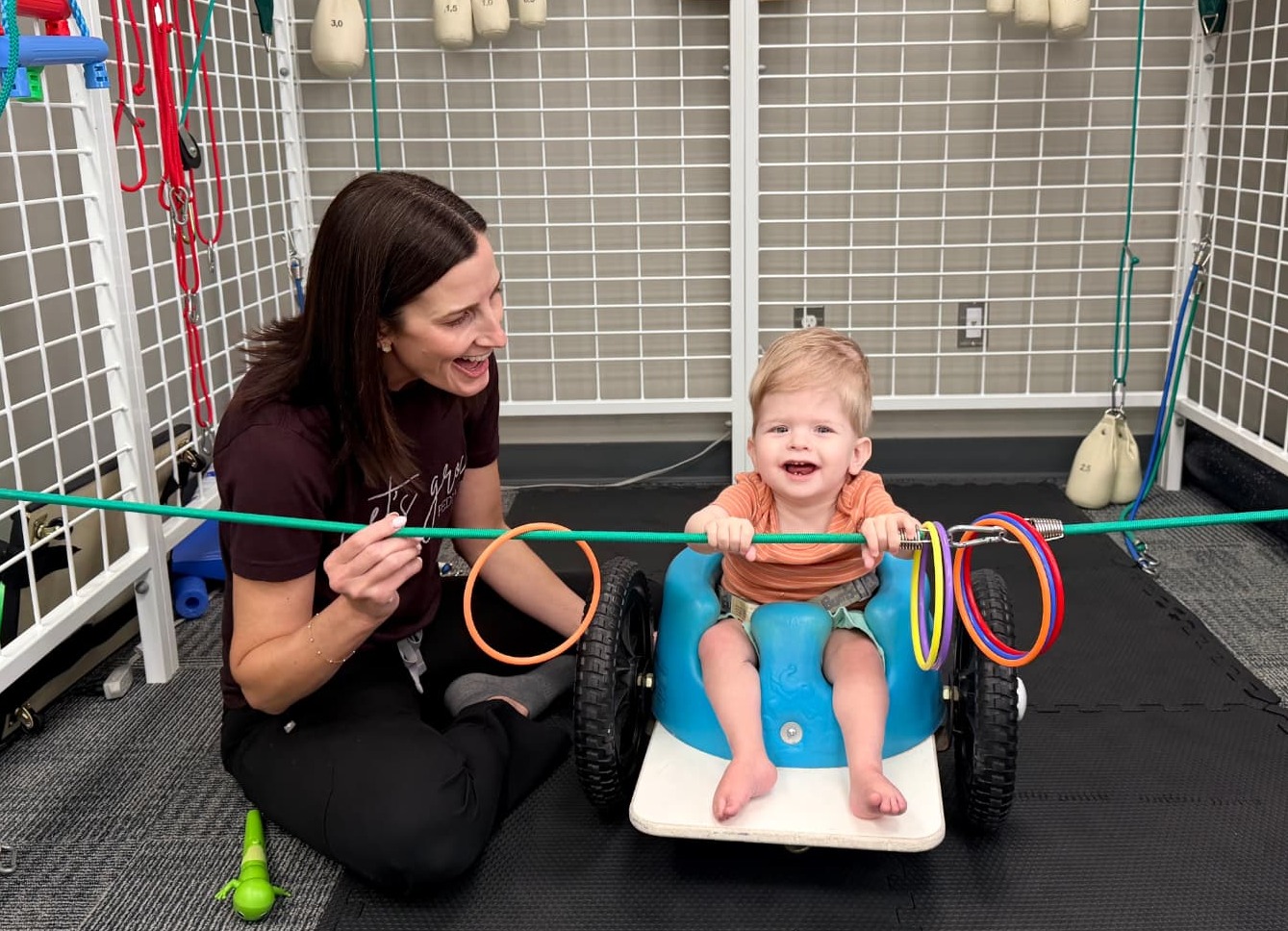
A pediatric physical therapist smiling as a baby in an adaptive seat grips a cord threaded with colorful rings inside a therapy cage during a primitive reflex integration session.
OUR APPROACH

How We Integrate Primitive Reflexes

Our goal is to help children replace automatic reflex-driven movement with stronger voluntary movement patterns that support everyday life.

01

Prime the Nervous System

Every session begins by preparing the nervous system for learning through heavy work, sensory input, and, when appropriate, red light & infrared laser therapy.

02

Build New Movement Patterns

We use movement-based exercises that encourage children to move outside of retained reflexes. Through high repetition, the brain develops stronger voluntary motor pathways that gradually replace automatic reflex-driven movement.

03

Practice Real-Life Skills

Once children can consistently use these new movement patterns, we apply them to real-life skills such as balance, coordination, emotional regulation, handwriting, sports, attention, and everyday movement.

04

Create Lasting Change

The goal isn't just success during therapy. We want these new movement patterns to become automatic so children can move, learn, regulate, and participate more confidently every day.

Complementary Care

Works Well Together

Red Light & Infrared Laser Therapy

Prime the nervous system for learning and movement before therapy.

Common Questions

Frequently Asked Questions

How do I know if my child has retained primitive reflexes?

The best way to know is through a formal assessment by a therapist trained in primitive reflex integration. We look at your child's movement patterns, posture, balance, coordination, and daily function to determine whether retained reflexes are contributing to their challenges.

Can primitive reflexes improve with therapy?

Yes. Through individualized assessment and movement-based treatment, we can help the nervous system integrate retained reflexes while building the balance, coordination, strength, and motor planning your child needs for everyday activities.

How long does primitive reflex integration take?

It varies by child. Some children show meaningful change within a few months, while others need longer, particularly when reflex integration is one part of a broader plan of care. Your therapist will reassess regularly and keep you updated on progress.

Will my child still receive physical or occupational therapy?

Yes. Primitive reflex integration is not a standalone service here—it is woven into your child's physical or occupational therapy sessions as one tool among many that support their overall goals.

Every child deserves the opportunity to reach their greatest potential.

If your child's movement seems harder than it should be, we'd be glad to take a closer look and talk through what might help.