
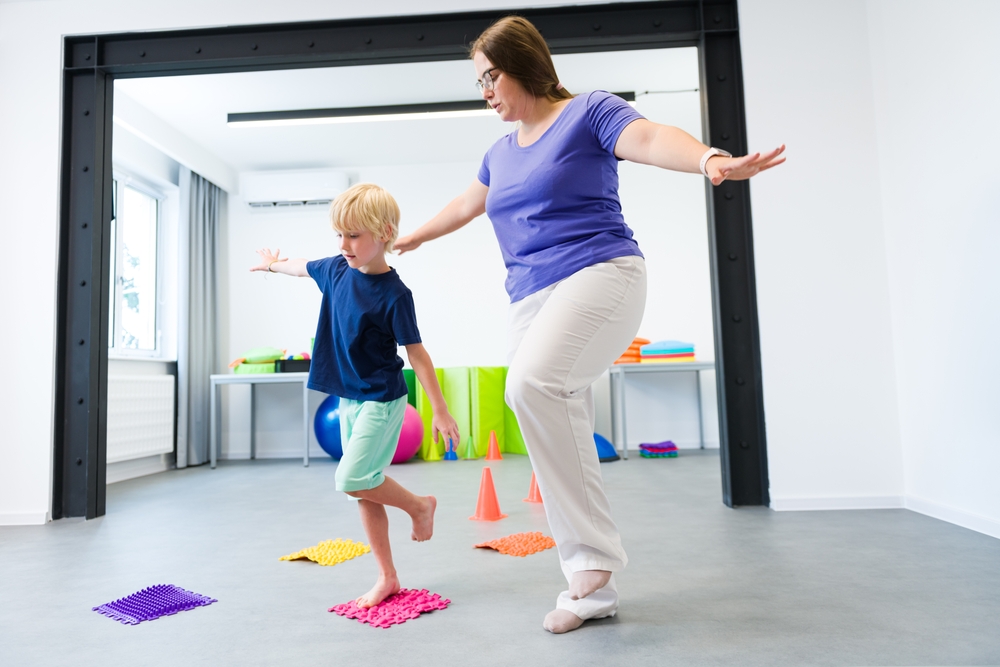
Intensive physical therapy is a specialized approach aimed at providing focused and frequent intervention to support a child’s motor development and physical functioning. At Let’s Grow Pediatrics in Edmond, OK, families often seek information on how therapy can help children achieve milestones more effectively. Unlike standard physical therapy, which may involve weekly sessions, intensive physical therapy emphasizes concentrated periods of practice, repetition, and guided movement to promote neuromuscular development and functional independence. This approach can be particularly beneficial for children facing challenges such as delayed motor skills, coordination difficulties, or recovery after injury or surgery.
The goal of intensive physical therapy is to accelerate progress by leveraging the brain and body’s natural ability to adapt and learn. Children’s brains are highly plastic during early development, meaning that frequent, targeted practice can lead to meaningful improvements in strength, balance, coordination, and overall physical confidence. For many families, understanding the principles behind intensive therapy provides insight into why consistent, focused sessions can sometimes produce faster or more noticeable outcomes than standard schedules.
Intensive therapy also emphasizes the integration of functional movements into daily routines. Instead of practicing skills in isolation, therapists often design exercises that mimic real-life activities, such as walking, climbing stairs, or reaching for objects. This practical focus helps children apply what they learn during therapy to their everyday experiences, reinforcing both motor skills and independence. Understanding the science behind intensive physical therapy helps families appreciate its potential to impact long-term development and quality of life.
Key Approaches in Intensive Physical Therapy
Intensive physical therapy involves a variety of techniques designed to improve strength, coordination, flexibility, and overall movement patterns. Each approach is tailored to the child’s specific needs and developmental goals, ensuring that interventions remain both challenging and achievable. Common approaches include guided repetition of movements, task-specific exercises, and neuromuscular re-education to enhance muscle control and coordination.
- Task-oriented practice focuses on helping children complete functional activities such as walking, reaching, or balancing.
- Strengthening exercises target specific muscle groups to improve stability, posture, and overall mobility.
- Neuromuscular training promotes efficient coordination between the brain and muscles, enhancing smooth and controlled movements.
These methods work together to support progress in both gross motor skills and fine motor coordination. Intensive therapy often involves frequent, shorter sessions or concentrated multi-hour sessions over several days, allowing children to practice movements repeatedly under professional guidance. This repetition reinforces neural pathways, which can enhance skill retention and facilitate faster improvement compared to less frequent therapy.
Recognizing When Intensive Physical Therapy May Be Beneficial
Identifying children who may benefit from intensive physical therapy involves understanding typical developmental milestones and recognizing signs of motor delays or difficulties. Parents and caregivers often notice challenges with walking, running, balance, or performing age-appropriate tasks. Children who tire easily, display awkward movement patterns, or struggle with coordination may respond well to more focused therapy sessions designed to strengthen these areas.
Frequent assessment and monitoring are critical to ensuring that therapy remains effective and appropriate for each child. Professional evaluation can help identify specific targets for improvement and guide the intensity and frequency of sessions. Parents who are informed about the potential benefits of intensive therapy are better equipped to support their child’s progress, reinforcing skills at home and encouraging participation in physical activity that complements professional guidance.
Recognizing the need for early, intensive support allows children to reach developmental milestones more confidently and independently. Families that understand the role of intensive physical therapy can take a proactive approach in fostering motor skills, coordination, and functional movement that lays a foundation for long-term physical health and activity.
The Long-Term Impact of Intensive Physical Therapy
The benefits of intensive physical therapy extend beyond immediate motor improvements, contributing to a child’s overall physical and psychological well-being. Children who gain strength, balance, and coordination often experience greater independence in daily activities, increased confidence in social and play settings, and reduced risk of injury. These gains can influence overall quality of life and promote active participation in school, recreational, and community activities.
Research suggests that early, focused intervention can enhance neural plasticity, leading to long-lasting improvements in movement patterns and functional abilities. Children who undergo intensive physical therapy may require fewer interventions later in life and develop a stronger foundation for ongoing physical activity, which supports overall health and fitness. Understanding these long-term outcomes highlights the importance of structured, frequent practice in maximizing a child’s potential.
Intensive physical therapy represents a proactive approach to supporting children’s physical growth and functional independence. At Let’s Grow Pediatrics in Edmond, OK, understanding this approach can help families appreciate the value of focused, consistent intervention in fostering strong, confident, and capable children.
Resources
Damiano, D. L., & DeJong, S. L. (2009). A Systematic Review of the Effectiveness of Intensive Physical Therapy Interventions for Children. Developmental Medicine & Child Neurology.
Novak, I., et al. (2013). Effectiveness of Intensive Physical Therapy in Children with Cerebral Palsy. Cochrane Database of Systematic Reviews.
Palmer, F. B., & Rosenbaum, P. L. (2011). Physical Therapy Approaches in Pediatric Rehabilitation. Pediatric Physical Therapy Journal.